
Project Guide
Home Renovation Debris: A Room-by-Room Disposal Plan
Every remodel makes a different kind of mess. Here's what to expect from each room, how to size your dumpster, and how to keep debris from derailing your timeline.
Call & book in minutes On-time roll-off delivery Transparent flat rates
Project Guide
Updated June 2026
8 min read
By Marcus Bellamy
Ask anyone who's lived through a renovation and they'll tell you the same thing: the debris is always more than you expected. A "quick" bathroom update fills the garage with old tile in an afternoon; a kitchen remodel buries the driveway in cabinets and drywall. Having a debris plan before the first swing of the hammer is what separates a smooth remodel from a stalled one. Here's how to think about waste, room by room.
Why a Debris Plan Matters
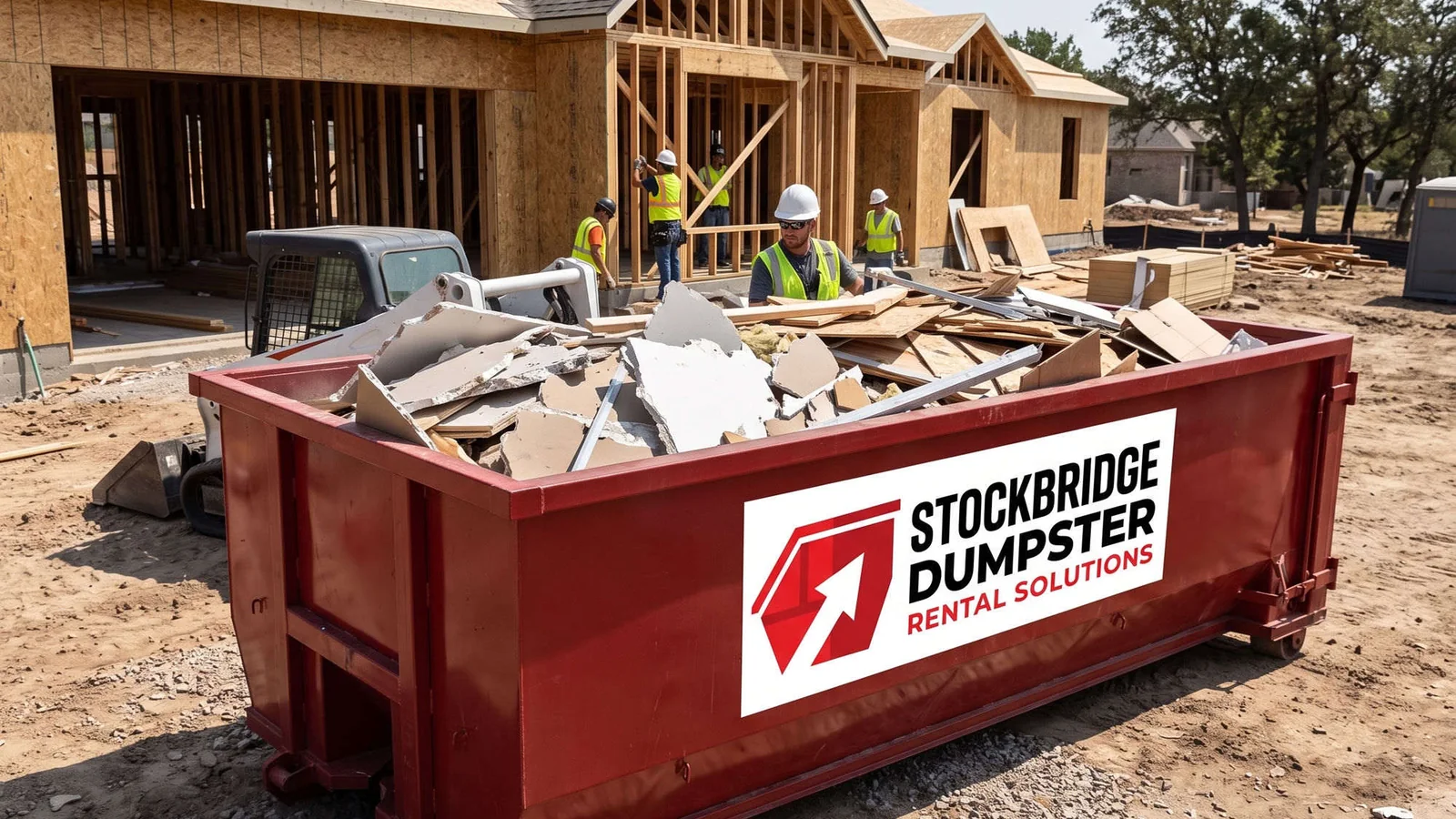
Renovation debris isn't just unsightly — it's a bottleneck. Crews can't work efficiently around piles of demo waste, materials get damaged, and safety suffers. Worse, if you underestimate volume and run out of dumpster space mid-project, everything pauses while you arrange more. A little planning upfront keeps the site clean, the crew productive, and the timeline intact. For bigger jobs, our construction dumpster service with same-day swaps exists precisely to prevent that bottleneck.
Kitchen Remodels
Kitchens are among the highest-debris rooms in the house because you're removing so many different materials at once: cabinets, countertops, appliances, flooring, backsplash tile, and often drywall. Countertops in particular can be heavy — stone and tile add up fast.
What it produces: Cabinetry, laminate or stone countertops, tile, flooring, drywall, old appliances (non-refrigerant), packaging from new materials.
Typical size: A 20 yard handles most full kitchen remodels. Add the demo of adjacent rooms and you may want a 30 yard.
Bathroom Renovations
Bathrooms are small but deceptively heavy. Tile, a cast-iron tub, and old fixtures pack a lot of weight into a little debris — which means weight, not volume, is often your limiting factor.
What it produces: Tile and backer board, tub or shower surround, vanity, toilet, flooring, drywall.
Typical size: A 10 or 15 yard is usually right — the 10 especially if there's a lot of heavy tile and a cast-iron tub.
Mid-renovation and need a container fast? Call (470) 878-2988 for a flat quote and fast delivery anywhere in the Stockbridge area — we'll help you pick the right container in one quick conversation.
Flooring Projects
Whole-house flooring replacement generates a surprising volume of bulky waste, especially when you're pulling up carpet and padding across several rooms, or demoing old tile and hardwood.
What it produces: Carpet and padding, hardwood, laminate, tile, and sometimes subfloor.
Typical size: A 15 or 20 yard depending on square footage. Tile is heavier than carpet, so factor in weight.
Basement & Attic Finishes
Finishing or gutting these spaces mixes demolition debris with a decade of stored belongings. It's a two-in-one job — renovation plus cleanout.
What it produces: Framing, drywall, insulation, old storage, furniture, flooring.
Typical size: A 20 yard for most; step up if you're clearing years of accumulation alongside the demo.
Roofing Tear-Offs
Re-roofing is all about weight. Shingles are dense, and a single layer on an average home can total several tons — which is why the right-sized container matters so much here.
What it produces: Old shingles, underlayment, flashing, and occasionally rotted decking.
Typical size: A 20 yard for most residential roofs, with attention to the weight allowance based on the number of squares and layers.
Whole-House Renovations
A gut renovation is a continuous debris machine, producing a steady stream of mixed materials over weeks. Here, the goal is fewer interruptions — a large container, or a scheduled swap so the full one is replaced with an empty one without missing a beat.
Typical size: A 30 yard, or a 40 yard for large homes and heavy demo phases. Contractors often run a swap schedule.
Smart Debris-Handling Tips
- Sequence your demo. Tackle heavy materials early and load them low and evenly to manage weight.
- Separate the recyclables. Clean metal, and sometimes clean concrete, can be diverted — ask us how.
- Keep hazardous items out. Paint, solvents, and old fluorescent tubes need special handling (see our acceptable-items guide).
- Time your delivery. Have the container on site the day demo begins, not after debris has piled up.
- Plan for swaps on big jobs. For multi-week renovations, a swap schedule keeps the site clear and the crew moving.
Keep Your Renovation Moving
The best debris plan is one you barely have to think about — the right container shows up when demo starts, gets swapped when it's full, and disappears when you're done. That's the experience we aim for on every renovation we support across Stockbridge and Henry County. Tell us about your project and we'll match the container and the timing to your scope, so waste is the one part of your remodel that never causes a headache. Start with our sizing guide or call to plan it out.

Written by Marcus Bellamy
Owner of Stockbridge Dumpster Rental Solutions, with over a decade of hands-on experience sizing, delivering, and hauling roll-off dumpsters across Henry County, GA.
FAQs
Renovation Debris Disposal — FAQs
What size dumpster do I need for a kitchen remodel?
How do I handle debris for a whole-house renovation?
Use a large container (30 or 40 yard) and, for multi-week projects, set up a swap schedule so a full dumpster is quickly replaced with an empty one. Our construction service offers same-day swaps.
Can I put renovation debris and old furniture in the same dumpster?
Yes. Mixed renovation debris and household items can go together, as long as you keep out hazardous materials and refrigerant appliances.
When should the dumpster be delivered for a remodel?
Have it on site the day demolition starts. That keeps debris contained from the beginning and prevents piles from slowing down your crew.
Keep Reading
More Dumpster Rental Guides
What Can (and Can't) Go in a Rental Dumpster
Read articleHow Much Does Dumpster Rental Cost in Georgia?
Read articlePlanning a Renovation? Let's Talk Debris.
Tell us your project and we'll recommend the right container and delivery timing to keep your remodel moving.
(470) 878-2988